
Driving Green: The Rise of Reprocessed PVC in the Automotive Industry
We build a green world together, sustainable and cost-effective is the way forward
SUSTAINABILITY
Shreyansh
5/8/20241 min read
The automotive industry is under increasing pressure to be more sustainable. While PVC has long been a staple for its durability and cost, reprocessed PVC compounds are now offering a pathway to a smaller environmental footprint without sacrificing quality.
PVC in Vehicle Manufacturing
In a modern vehicle, PVC compounds are found everywhere, valued for their ability to be molded, extruded, and engineered for specific uses:
Wiring Harnesses: Flexible PVC is the primary insulator and sheathing for the complex network of wires, offering high chemical and temperature resistance under the hood and superior flexibility behind the dashboard.
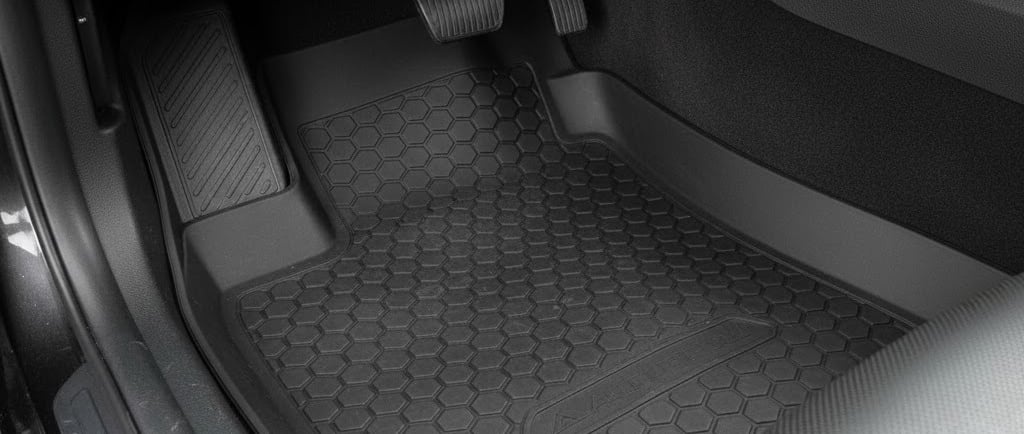
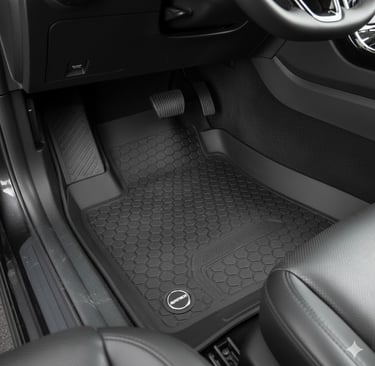
Interior Components: They are used in high-traffic, durable areas like floor mats, trunk liners, and certain door panel trims, providing excellent abrasion resistance and a desirable finish.
Seals and Gaskets: PVC provides weather resistance in window and door seals, protecting the cabin from moisture and noise.
The Reprocessed Advantage
Reprocessed PVC compounds—derived from post-industrial waste (e.g., trimming scraps) and post-consumer waste (e.g., old window profiles)—are gaining ground.
Environmental Benefit: Using reprocessed materials directly reduces landfill waste and significantly lowers the energy and resource consumption associated with producing virgin plastic.
Cost Efficiency: Reprocessed compounds are often a more cost-effective alternative, allowing manufacturers to meet competitive pricing demands while adhering to sustainability goals.
Key Automotive Applications: Advanced reprocessing techniques now allow these compounds to be successfully integrated into non-critical or high-volume parts like underbody coatings, wheel well liners, and general-purpose interior moldings. Leading companies are developing "Infinitude" grades of PVC compounds specifically formulated with recycled content for use in car accessories and floor mats.
The shift to reprocessed PVC demonstrates that being green and cost-efficient can go hand-in-hand, pushing the automotive sector towards a more circular economy model.